

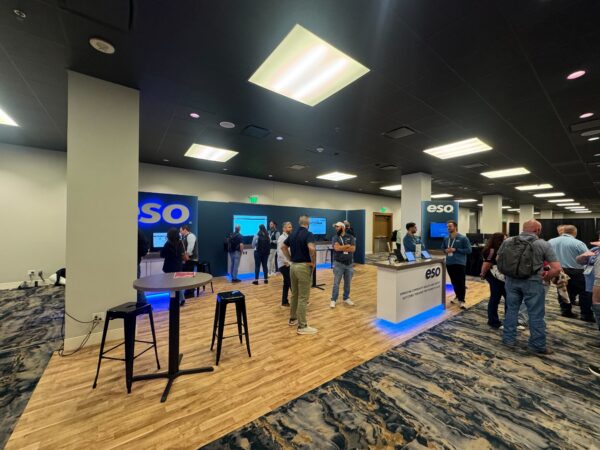
At ESO Wave 2026, time management and operational efficiency emerged as a dominant theme across sessions. Artificial intelligence was a major part of that conversation, with ESO clearly investing in what AI could make possible for dispatch and transport coordination down the road. But in an environment where agencies are being asked to do more with the same resources today, operating at peak efficiency is more important than ever.
How Logis Dispatch Drives Dispatcher Efficiency Today
AI accelerated workflows and feature enhancements were a major topic of conversation at ESO Wave 2026. But smart EMS agencies can already leverage some of those tools to start operating more efficiently. ESO’s Logis Dispatch Solution is already packed with features that solve some of the toughest day-to-day problems agencies face. From intake to delay management, the platform is designed to keep dispatchers focused on the work that matters most. Drew Hoskins and I spotlighted some of those features in our recent presentation at Wave.
Smarter Call Intake Starts By Asking the Right Questions
Logis Dispatch’s call taking questionnaire allows a dispatcher to capture the requirements of a new transport request and will automatically suggest a suitable vehicle and pickup time based on current fleet utilization. If the fleet is not capable of meeting the requested pickup time, the achievable pickup time is surfaced immediately to the dispatcher, who can set accurate expectations with the hospital customer right over the phone. This allows the hospital to plan discharge-related activity around when transportation will actually arrive, and builds the kind of trust that makes hospital partnerships sustainable.
Service Level Agreements Lead to More Intelligent Dispatch
Service Level Agreements (SLAs) are another tool Logis Dispatch leverages to manage fleet utilization and delays across the various contracts an EMS agency holds with its hospital customers. The SLAs function as a set of constraints that help the intelligent dispatch system prioritize and sequence transfers around contractual agreements, keeping hospital customers happy and agencies accountable to their commitments.
Automatic Re-Planning When Delays Hit
When delays happen in transport, Logis Dispatch understands the cascading effect on transfers later in the day and automatically re-plans and re-prioritizes around those service level agreements. It surfaces to the dispatch team when transports become delayed, so the dispatcher can proactively communicate with the hospital rather than leaving anyone waiting and wondering. This automatic re-planning of routine discharges keeps dispatcher attention free for STAT and high-priority transports that genuinely require human judgment.
What Does Improved Dispatcher Efficiency Mean for Your Hospital Partnerships?
All of these features are powerful, but the key activity in traditional dispatch is still a phone call between the ride booker at the hospital and the dispatcher. Booking portals have emerged as a way to eliminate that call, but in most contexts a dispatcher still needs to monitor one or more websites on top of the CAD. One agency in the audience mentioned needing to juggle nine (!) different dispatch portals — a level of overhead that creates friction on both sides of the transaction.
The Roundtrip Logis Dispatch integration eliminates that friction, allowing the booking portal to communicate directly with Logis Dispatch to surface an ETA without any manual intervention. Roundtrip’s booking questionnaire maps to specific the transfer requirements, allowing Logis Dispatch’s advanced automated planning capabilities to run and return an ETA to the ride booker without a phone call ever taking place. As the transport progresses, ETA and status updates are automatically communicated back to the ride booker, further reducing the time a dispatcher needs to spend on the phone and keeping hospital partners informed in real-time.
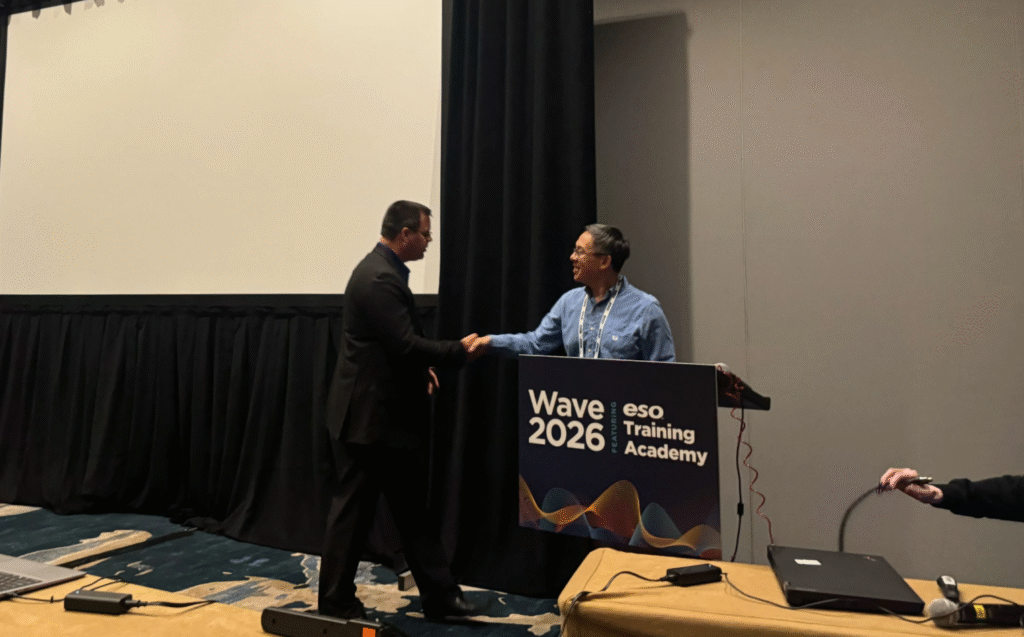
One agency in the audience already made the switch. Since adopting the Roundtrip and Logis Dispatch integration, business has grown by 15%! Their dispatchers are happier and the integration has helped them maintain a positive relationship with a key hospital customer.
Better Dispatch Performance Starts Now
AI will continue to shape what is possible in EMS dispatch and transport coordination. ESO is clearly investing in that future, and the sessions at ESO Wave 2026 reflected that. But a better future for your agency doesn’t have to wait for the next feature to launch. The tools to grow hospital partnerships and ease dispatcher load exist right now.
Ready to get started? Check out our additional resources on our Logis Dispatch Integration or schedule a demo to see the integration in action.

Sze Hui, CSPO has spent over 8 years in the healthcare industry, leading efforts to optimize workflows and eliminate copy/paste through data interoperability and integrations. As a Solutions Architect, Sze guides health systems through the technical implementation process, bringing data flow and business process together in a cohesive and seamless way.